Restaurant Startup Equipment Planning: A Practical Guide
Most aspiring restaurant owners underestimate how restaurant startup equipment planning actually works. They budget for food, rent, and staffing, then get blindsided when the commercial kitchen alone costs $75,000 and takes six months to pass inspection. Equipment choices affect everything: workflow, utility costs, fire safety compliance, and your ability to open on time. This guide walks you through the seven core equipment categories, layout principles, procurement timelines, budgeting realities, and regulatory requirements you need to know before you sign a lease or place a single order.
Table of Contents
- Key takeaways
- How restaurant startup equipment planning works: the seven core categories
- Kitchen layout and workflow design
- Procurement timeline and avoiding opening delays
- Budgeting and the new vs. used equipment decision
- Regulatory requirements that affect equipment choices
- What I’ve learned from watching startups get this wrong
- Get your kitchen equipped with Culinaryprofis
- FAQ
Key takeaways
| Point | Details |
|---|---|
| Start planning early | Opening timeline runs 6–12 months; equipment orders must begin well before your target opening date. |
| Build around menu first | Your concept dictates which cooking and prep equipment you actually need. Buy for your menu, not for what looks professional. |
| Budget realistically | Most casual full-service restaurants spend $50,000–$100,000 on core equipment. Always hold a contingency reserve. |
| Never skip hood planning | Ventilation and fire suppression affect permits, utilities, and gas connections. Delays here push every other milestone back. |
| Know what to buy new | Refrigeration, ice machines, and suppression systems should always be purchased new to avoid compliance and safety risks. |
How restaurant startup equipment planning works: the seven core categories
Seven equipment categories cover nearly every restaurant concept: cooking equipment, refrigeration, prep equipment, dishwashing, storage, ventilation, and smallwares. Knowing what each category includes and how it ties to your menu is the foundation of a solid restaurant equipment checklist.
Cooking equipment is the heart of the kitchen. Your range, oven, fryer, griddle, broiler, or combination unit choices directly determine the size and type of ventilation hood you need. A pizza concept needs deck ovens and minimal fry capacity. A full-service American grill needs a six-burner range, a charbroiler, and a fryer bank. Buy only what your menu demands.
Refrigeration needs to match your delivery schedule and menu complexity. Refrigeration sizing typically includes reach-in units near prep stations and a walk-in cooler scaled to how often your distributor delivers. If you receive daily, a smaller walk-in works. Weekly deliveries require significantly more cold storage. Oversizing refrigeration wastes energy; undersizing creates food safety violations.
Here is a quick breakdown of the remaining five categories:
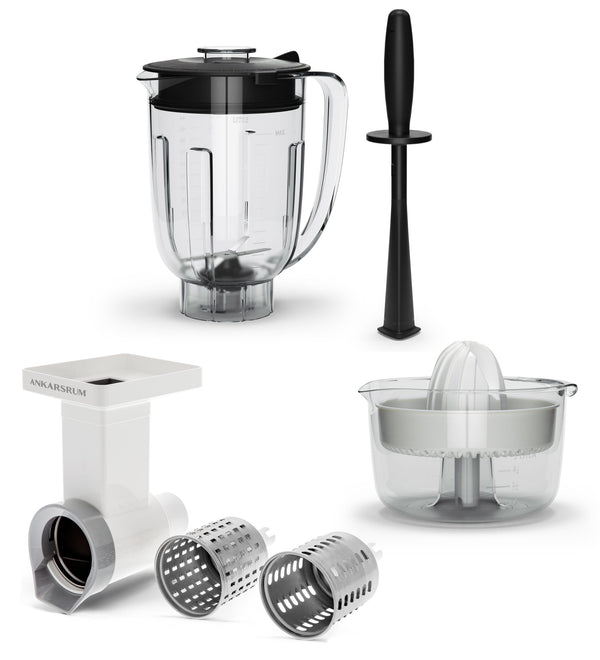
- Prep equipment: Slicers, food processors, mixers, cutting boards, and prep tables. The level of scratch cooking in your menu determines how much prep capacity you need.
- Dishwashing: Size your dish machine to cover count and service pace. A 150-seat restaurant running two turns per night needs a conveyor machine, not an under-counter unit.
- Storage: Dry storage shelving, food-safe containers, and labeling systems. Volume, sanitation requirements, and SKU count all drive storage decisions.
- Ventilation and fire suppression: Legally mandatory in every commercial kitchen. Covered in detail below.
- Smallwares: Pans, sheet trays, hotel pans, tongs, spatulas, thermometers, and prep containers. Budget $5,000 to $15,000 depending on concept size. Many first-time owners forget this line entirely.
Pro Tip: When building your restaurant startup supply list, start with your top 20 menu items and reverse-engineer every piece of equipment needed to produce them consistently at peak volume. This single exercise eliminates most unnecessary purchases.
Kitchen layout and workflow design
Efficient layout planning is not about aesthetics. It determines whether your cooks can execute 150 covers or 80. Workflow follows a unidirectional flow: receiving to storage to prep to cooking to service to dishwashing to waste. Food and dirty dishware should never cross paths.
Here are the six layout principles that matter most for a new restaurant kitchen:
- Receiving area first. Place your delivery entrance near dry and cold storage. Routing deliveries through the dining room or past cooking stations creates contamination risks and workflow chaos.
- Cold storage adjacent to prep. Cooks should not walk 40 feet to pull proteins from a walk-in. Proximity between refrigeration and prep stations reduces labor and keeps temps stable.
- Cooking equipment under the hood, grouped by function. Fry stations together. Grill and broiler together. This minimizes the hood footprint and keeps utility runs efficient.
- Pass-through and plating near the dining room exit. The expediting station should sit between the cooking line and the front-of-house, not buried in the back.
- Dishwashing isolated from food prep. Soiled dishes carry bacteria. Your dish room should have a clear physical barrier or significant separation from prep and cooking zones.
- Waste and recycling at the far end. The flow terminates here. Trash never moves back toward cooking or storage.
Kitchen layout must accommodate ADA clearances and state health codes. Aisle widths, hood overhangs, and ergonomic reach zones all affect how equipment gets placed and what your health inspector approves. Minimum aisle width in most jurisdictions is 36 inches, with 48 inches required in high-traffic areas.
Station design directly shapes ventilation load and utility routing. Getting the layout wrong means your hood engineer has to redesign the system, gas lines get rerouted, and your permit timeline resets. These mistakes are expensive and preventable.

Pro Tip: Before finalizing your layout, walk through a full service rush mentally. Trace the path of every key ingredient from delivery to plate. If any path crosses dirty zones or requires cooks to leave their station repeatedly, redesign before construction begins.
Procurement timeline and avoiding opening delays
Planning takes 6–12 months from concept to opening for most restaurants. Equipment is not a last-month task. Here is where most startups lose weeks or months:
- Months 6–9 out: Finalize your menu, kitchen layout, and full equipment list. Begin soliciting quotes. Long-lead items like custom refrigeration, walk-in coolers, and commercial hood systems can take 8 to 16 weeks to manufacture and ship.
- Months 5–6 out: Submit for building permits. Your kitchen plans, hood specs, and fire suppression documentation all go in together. Missing any of these causes permit rejection and delays your entire construction schedule.
- Months 3–4 out: Equipment deliveries begin. Coordinate with your contractor. Gas and electrical rough-ins must precede equipment installation.
- Month 2 out: Hood and fire suppression installation. UL 300 compliant suppression systems require precise installation sequencing, including air balancing and integration with fuel shutoffs. This is the step most often delayed, and it directly holds up your final inspection.
- Month 1 out: Health department pre-inspection walkthrough. Punch list and corrections.
Permitting and inspection failures frequently stem from incomplete setups, particularly hood systems and gas connections. Engage a certified kitchen designer and a fire suppression specialist early. Their fees are far cheaper than a four-week delay on your lease.
Getting your hood suppression contractor involved at the layout stage, not the installation stage, is one of the highest-ROI decisions you can make in the entire startup process. Redesigns after walls are framed cost three to five times more than getting it right the first time.
Budgeting and the new vs. used equipment decision
The cost of restaurant equipment surprises almost every first-time operator. Most casual full-service restaurants spend $50,000 to $100,000 on core equipment alone, before smallwares, POS systems, or furniture. Fast casual concepts and food trucks can come in lower. Fine dining kitchens with specialized equipment can run well above $150,000.
The new vs. used question has a practical answer. Here is a clear breakdown:
| Equipment category | Buy new or used? | Reason |
|---|---|---|
| Refrigeration and freezers | Always new | Compressor age, refrigerant compliance, warranty coverage |
| Ice machines | Always new | Sanitation history is unknown on used units |
| Hood and suppression system | Always new | Code compliance, certification, and liability |
| Commercial ranges and ovens | Used is acceptable | Easy to inspect and service; high new cost |
| Prep tables and work surfaces | Used is acceptable | Check for NSF certification and surface condition |
| Smallwares | Mixed | Buy new where sanitation matters; used for pans and hotel pans |
| Dishwashers | Inspect carefully | Machine history and chemical system condition matter |
Used equipment can reduce costs 30–50%, but quality used cooking equipment requires inspection by a qualified technician before purchase. Ask for service records. Check burner condition, door seals, and thermostats.

For financing, SBA 7(a) loans and equipment-specific leasing are the two most common paths. Leasing preserves cash flow but costs more over time. SBA loans offer better rates but require more documentation and time. Budget a 15% contingency on your total equipment number. Change orders, code-mandated substitutions, and damaged items during delivery are more common than not.
Pro Tip: When sourcing bulk commercial cooking appliances, ask suppliers about package pricing for multiple categories. Consolidating your refrigeration, cooking, and prep orders with one supplier often unlocks meaningful discounts and simplifies delivery coordination.
Regulatory requirements that affect equipment choices
Regulatory compliance is not optional and it is not uniform. Local jurisdictions vary, but these requirements appear consistently across most U.S. markets:
- NSF certification: All food-contact surfaces, sinks, prep tables, and shelving must carry NSF certification to pass health inspection. Do not purchase prep or storage equipment without verifying this marking.
- Hand-washing sinks: Health codes require dedicated hand-washing sinks, separate from prep and dishwashing sinks, at specific locations throughout the kitchen. This affects your plumbing layout and station design.
- Three-compartment sink: Required for manual warewashing. Must be properly sized for your largest pots and pans.
- Commercial dishwasher standards: High-temperature or chemical-sanitizing machines must meet local health department requirements. Output temperature and chemical concentration are inspected.
- Hood and fire suppression: NFPA 96 governs commercial kitchen ventilation, covering hood design, ductwork, grease management, and automatic suppression. NFPA 17A governs the wet chemical suppression systems themselves. Both apply to any cooking equipment that produces grease-laden vapors.
- UL 300 compliance: Your suppression system must be UL 300 listed. Ventilation hoods with integrated fire suppression are legally mandatory and failure to comply risks both inspection failure and real fire hazards.
- Inspection and maintenance schedules: Hood cleaning intervals, fire suppression inspections, and refrigeration logs are ongoing requirements, not one-time setups.
Start your code research with your local health department and fire marshal before finalizing any kitchen plan. Codes in California, New York, and Texas each carry specific variances that can affect equipment selection materially.
What I’ve learned from watching startups get this wrong
I’ve seen restaurant startups spend months perfecting their branding and menu, then rush their equipment planning in the final 60 days before opening. That sequence is backwards, and it is the single most common reason restaurants open late, over budget, or with kitchens that do not actually function.
The mistake I see most often is selecting equipment before designing the workflow. Someone falls in love with a particular range, orders it, and then discovers the hood system required to cover it won’t fit in their available ceiling height. Now they are redesigning a system that was already permitted. The delay is rarely less than three weeks, and three weeks of rent on a non-operating restaurant adds up fast.
Ventilation is the area I would tell every new operator to overinvest in attention, not necessarily money. The hood and suppression system touches your gas shutoffs, your electrical, your permit, your fire marshal sign-off, and your health inspection. It sits at the intersection of every trade on your job site. Get your hood contractor in the room during the layout phase, not after.
My honest take on the new vs. used debate: buy new where failure costs you compliance or reputation, and buy used everywhere else with a technician’s inspection. A used six-burner range in good condition is a reasonable purchase. A used ice machine with unknown sanitation history is not.
Start earlier than you think you need to. The 6 to 12 month timeline is not conservative; it is realistic for a concept with any complexity. The operators who open on time are almost always the ones who started their institutional kitchen setup planning six months before they expected to need it.
— John
Get your kitchen equipped with Culinaryprofis
Culinaryprofis carries the commercial-grade equipment you need to build a functional, code-compliant restaurant kitchen from the ground up.

From commercial refrigeration units and high-volume cooking appliances to prep tools and smallwares, Culinaryprofis stocks professional-grade products from trusted brands, built for the demands of real foodservice operations. Every product meets commercial standards, and the catalog is organized by category so you can build your equipment list efficiently. Free shipping, a flexible return policy, and direct expert support make it a practical sourcing option for startups at any stage of planning. Visit Culinaryprofis to explore the full range and get the right equipment matched to your concept.
FAQ
How long does restaurant equipment planning take?
Most restaurant startups require 6 to 12 months from concept to opening, with equipment ordering beginning at least 3 to 6 months before the target launch date to account for lead times and permitting.
What equipment should always be bought new?
Refrigeration units, ice machines, and fire suppression systems should always be purchased new. These items carry compliance certifications, safety requirements, and sanitation standards that used equipment cannot reliably guarantee.
How much does a restaurant kitchen equipment package cost?
Most casual full-service restaurants spend between $50,000 and $100,000 on core kitchen equipment. Costs vary based on concept size, cuisine type, and how much used equipment is incorporated.
What is NFPA 96 and why does it matter for restaurant startups?
NFPA 96 is the standard governing commercial kitchen ventilation and fire suppression design. It affects hood sizing, ductwork, and automatic suppression system requirements, all of which must be finalized before permits are approved.
What is the most common cause of restaurant opening delays?
Incomplete or non-compliant hood and fire suppression installations are the most frequent source of permit and inspection failures. Late equipment orders and missing documentation are the next most common causes.