Best Stand Mixer for Bread: Expert Review Guide

Finding the best stand mixer for bread usually starts with a simple disappointment: a mixer that handles cookie dough beautifully can still struggle once stiff bread dough enters the bowl. Bread baking asks for steadier power, better bowl stability, and a kneading motion that builds gluten strands without punishing the motor. The strongest stand mixer for bread is the one that keeps pace through weekly loaves, pizza dough, and sourdough without wandering across the counter or overheating halfway through the job.
What Makes a Stand Mixer Good for Bread
Bread dough demands more from a mixer than cake batters or cookie dough because gluten has to be developed through repeated folding and stretching. That means the machine needs enough torque to stay consistent when the dough firms up, plus a bowl that does not wobble under load. A powerful motor helps, but so does the gearing and the way the hook or kneading tool moves through the dough. Gentle kneading matters because it encourages gluten development without tearing the dough or heating it too much, which can affect rise and final texture. For home bakers, “best” does not always mean the fastest or the flashiest. It means the stand mixer for bread that can handle the recipes made most often, from small batch sandwich loaves to heavier artisan doughs, with enough control to feel dependable in a real kitchen.
How We Tested These Stand Mixers for Bread
To compare mixers fairly, each model was tested with repeatable bread recipes and consistent dough weights so performance could be judged side by side. The lineup included lean bread dough, enriched dough, and higher-hydration mixtures to reflect what bread bakers actually make at home. During testing, we tracked mixing time, cleanup around the bowl and hook, machine stability, heat buildup, and progress toward the windowpane stage. We also used both small-batch and large-batch runs because a mixer that handles one loaf well is not automatically the best stand mixer for multiple loaves. Versatility mattered too. A strong bread mixer still had to prove it could manage making cookies, whip cream, and handle everyday mixing tasks without becoming a one-trick appliance. That balance helped separate true all-around performers from machines that only look good on paper.
Best Stand Mixer for Bread: Top Picks at a Glance
| Pick | Best For | Why It Stands Out |
|---|---|---|
| Bosch Universal Plus Mixer | Serious bread bakers | Handles large batches, pizza dough, and frequent kneading with excellent efficiency |
| KitchenAid Bowl-Lift Mixer | All-around home use | Familiar design, strong accessory ecosystem, and good versatility for mixed baking |
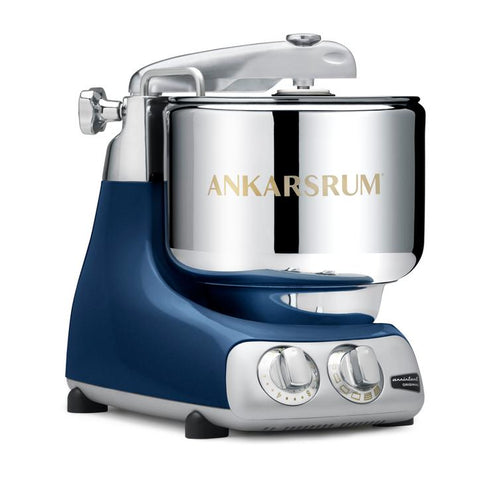
| Ankarsrum Mixer | Premium bread performance | Excellent for gentle kneading and sticky doughs, especially sourdough bread |
If the goal is pure bread performance, the Bosch Universal Plus Mixer is the strongest answer for many home bakers. If versatility and a familiar footprint matter more, KitchenAid remains the most recognizable all-purpose option. For buyers who want a premium machine built around gentle dough handling, Ankarsrum mixer benefits deserve a close look.
Best Overall Stand Mixer for Bread
The best overall stand mixer for bread in this group is the Bosch Universal Plus Mixer because it stays efficient under real dough loads without turning bread day into a battle. Its open-bowl design and center-drive action give bread dough plenty of room, and the motor keeps moving when a batch gets thick. That matters with sourdough bread, pizza dough, and multiple loaves, where mixing time can stretch and the dough changes quickly from sticky to elastic. The dough hook design is less about brute force and more about consistent folding, which helps build structure evenly. For home bakers who bake every week, the Bosch-style approach feels practical and durable. It is especially appealing if countertop space is available and batch size is often larger than average. The trade-off is that it is not the prettiest mixer and can feel less intuitive at first, but for bread performance it earns its place.
Why it handles dough so well
What separates this mixer from many tilt-head competitors is the way it keeps the dough moving in a wide, consistent pattern instead of relying on a single aggressive hook path. That steadier motion supports even gluten development and reduces the chance of tearing the dough before gluten strands have organized. In bread baking, steady kneading matters more than raw speed, and this mixer gives that in a very practical way. It also helps limit strain during longer mixing sessions, which is useful for high-hydration doughs that need extra time but not extra heat.
Best for home bakers who bake weekly
Weekly bread bakers tend to care about durability, bowl room, and how well a mixer behaves after repeated use. This is where a roomy bowl and sturdy base matter more than a compact footprint. The Bosch is a smart fit for multiple loaves, sourdough routines, and heavier doughs that would make lighter machines work too hard. The trade-off is that it can feel oversized for tiny batches or quick frosting jobs, so it makes the most sense for households that bake often enough to justify its capacity.
Best Stand Mixer for Sourdough Bread
Sourdough dough asks for a different kind of patience because hydration, fermentation, and gluten strength all influence how the dough behaves in the bowl. The best stand mixer for sourdough bread is one that develops structure without pushing the dough into a hot, overworked state. The Ankarsrum mixer guide is especially strong here because the gentle kneading action supports the dough instead of beating it up. That helps preserve the balance between extensibility and strength, which is important for artisan loaves and enriched sourdough recipes alike. Many sourdough bakers want to know whether machine mixing ruins the texture, and the short answer is no, not when the mixer is used thoughtfully. A controlled mix followed by rest periods can still produce excellent dough. For people who bake naturally leavened bread often, the real question is whether the mixer can handle sticky dough, bulk batch size, and long-term use without complaint.
Bosch Universal Plus Mixer Review
The Bosch Universal Plus Mixer appeals to bread bakers because it feels built around efficiency instead of looks. Its open bowl, center drive, and powerful motor work together to keep bread dough moving without forcing the user to constantly stop and scrape. That is a real advantage for pizza dough, sandwich loaves, and frequent baking sessions where consistency matters more than showmanship. It handles thick dough well, and large batches are where it really pulls ahead of many kitchen mixers. Families baking multiple loaves or meal-prep batches will notice the difference quickly. The learning curve is real, though. The shape of the bowl and the movement of the attachments are not as familiar as a KitchenAid, and lighter tasks can feel a little awkward until the mixer’s rhythm makes sense. It is less of a decorative countertop piece and more of a workhorse, which is exactly why serious bread bakers keep recommending it.
Best for large batches and multiple loaves
Batch capacity matters when a household bakes for the week, feeds a crowd, or turns bread baking into part of a routine. A mixer that can handle more dough at once saves time and keeps mixing more consistent across larger recipes. The Bosch design stays steady when the dough gets thick, which means less slowdown and less fear of overtaxing the machine. For buyers who know they will regularly make multiple loaves, this is one of the smartest long-term investments.
Ankarsrum Mixer Review for Bread Baking
Ankarsrum stands out because its roller-and-bowl design works differently from the more familiar hook-and-bowl approach. Bread bakers value that difference when they want gentle kneading and excellent control over sticky dough. Instead of aggressively pulling the dough around, the machine develops it with a smoother action that supports gluten strands in high-hydration mixes. That can be especially helpful for sourdough, brioche, and other doughs that feel soft or sticky early on. The result is often a more relaxed mixing experience and a dough that holds together beautifully without being abused. The learning curve is the main caution. Day one is not always intuitive, especially for users coming from a tilt-head mixer, and the controls feel different at first. Still, once the motion clicks, the machine earns loyalty quickly. For home bakers who care deeply about texture and dough feel, it can be a standout choice.
What gentle kneading changes in dough texture
Gentle kneading changes the dough by developing it without aggressive hook action, which helps preserve extensibility and improve the final crumb. That matters because bread does not just need strength; it needs flexibility so fermentation can expand it properly. A mixer that respects that balance often gives serious bread bakers better results with artisan-style doughs. The design also reduces the chance of overheating during longer sessions, which helps keep dough behavior predictable from mixing through proofing.
KitchenAid Stand Mixer Review for Bread
KitchenAid remains the most familiar stand mixer for bread because it is easy to find, easy to use, and flexible enough for a wide range of kitchen tasks. It shines most with smaller batches, softer doughs, and everyday baking jobs like cookies, whipped cream, and lighter batters. For bread, the key decision is choosing between tilt-head and bowl-lift versions. A bowl-lift mixer usually feels more stable with dough, while a tilt-head mixer is easier to access and often better for casual use. For frequent kneading, KitchenAid is respectable rather than dominant, especially compared with Bosch or Ankarsrum. Still, many buyers rank it among the best stand mixer options because it balances performance, attachments, and household versatility so well. The brand’s huge attachment ecosystem also helps if the mixer will do more than bread. That makes it a practical choice even if it is not the strongest bread specialist.
When a KitchenAid makes sense
KitchenAid makes the most sense for occasional bread baking and broader kitchen work where one appliance needs to cover a lot of ground. Smaller households often appreciate the size and familiarity, especially if the mixer will also handle cakes, whipped cream, and making cookies. For those users, the trade-off in bread power is easier to accept. The limitations show up when mixing time gets long or batches get oversized, so frequent dough makers may eventually want a more purpose-built machine.
Budget Stand Mixer for Bread: What to Expect
Lower-priced mixers can make bread, but expectations need to stay realistic. At a lower price point, the main compromises usually show up in motor strength, bowl stability, and durability during longer kneading sessions. Some budget models can manage small batches well enough, but they may struggle with dense dough, run hot, or begin walking across the counter. The features that matter most are a reasonably sturdy base, acceptable speed control, and a dough hook that can actually move bread dough instead of just spinning around it. If the goal is occasional use, a budget mixer may be enough. If the plan includes weekly sourdough or multiple loaves, spending more often saves frustration later. Bread bakers should watch for overheating and flimsy construction, because those issues tend to appear right when the dough gets hardest to mix.
How to Choose the Best Stand Mixer for Your Baking Style
Choosing the best stand mixer starts with how often bread gets baked and what else the machine needs to do. A home baker making one loaf a month has very different needs from someone mixing pizza dough every Friday and sourdough on weekends. Motor power matters, but so do gearing, bowl size, speed control, and whether the mixer style fits the way the kitchen works. Bread bakers need enough stability for kneading dough, while cookie and cake bakers can usually prioritize convenience and speed. Counter space matters too, especially in smaller kitchens where a heavy bowl-lift mixer may never feel easy to move. Budget matters as well, because a great machine is only great if it realistically fits the household. The best choice is usually the one that matches batch size and baking rhythm instead of chasing the biggest number on the spec sheet.
| Bakery Style | Best Fit | Why |
|---|---|---|
| Occasional bread baking | KitchenAid tilt-head | Easy to use and versatile for everyday tasks |
| Weekly bread baking | Bosch Universal Plus | Strong for repeated kneading and larger batches |
| Sourdough-focused baking | Ankarsrum | Gentle kneading and excellent control with sticky dough |
Tilt-head vs. bowl-lift mixers
Tilt-head mixers are easier to access and often feel more convenient for lighter recipes, but bowl-lift mixers usually offer better stability when bread dough gets heavy. For dough handling, the extra rigidity of a bowl-lift design is a real advantage. Tilt-head models still make sense for smaller batches and all-purpose use, especially in households that value quick setup over maximum strength.
How much power do you really need?
Wattage gets a lot of attention, but real dough performance depends on more than one number. Power, gearing, bowl design, and how the machine transfers force all shape the result. A lower-watt machine with better engineering can outperform a higher-watt mixer that stalls under strain. That is why bread bakers should avoid shopping by wattage alone and instead look at real kneading behavior.
Stand Mixer Features That Matter Most for Bread
The features that matter most for bread are the ones that protect consistency during longer kneading. A well-shaped dough hook, reliable speed control, and a bowl that stays stable under pressure all help bread dough develop properly. Stainless steel bowls are a smart choice because they are durable, easy to clean, and good for repeated use. A sturdy base matters just as much, especially when the dough gets dense and the machine is running for several minutes at a time. Attachments can expand versatility, but for bread buyers they are secondary to how the mixer handles kneading dough. Some extras are nice to have, like a splash guard or additional hooks, but they should not distract from the main job: mixing bread dough consistently without strain.
Common Bread Dough Problems and How to Fix Them
Sticky dough usually means hydration is high or gluten has not fully developed yet, so the answer is not always more speed. If the dough climbs the hook, the batch may be too small for the attachment, or the mixer may need a slower setting. When gluten development seems slow, giving the dough a short rest can do more than forcing another long knead. Overheating is another common issue, especially with budget machines or long mixing sessions, so pausing can protect both the dough and the motor. A little patience often improves consistency more than pushing the mixer harder.
Best Stand Mixer for Different Types of Bakers
Beginner bakers usually do best with a mixer that feels straightforward and versatile, which is why KitchenAid remains popular. Frequent bread bakers tend to get more value from Bosch because it is built for heavier dough and larger batches. Sourdough bakers often gravitate toward Ankarsrum for its gentle kneading and strong dough control. If the kitchen needs one machine for both bread and everyday mixing, versatility matters more than specialty performance. The right choice depends on whether the priority is small batches, multiple loaves, or a broad range of recipes.
Frequently Asked Questions About Stand Mixers for Bread
A stand mixer is not strictly necessary for bread baking, but it can save time and reduce fatigue when dough is mixed often. For sourdough, it is especially helpful when a recipe calls for stronger gluten development or when the dough is sticky and hard to knead by hand. Most bread dough should be mixed only until it becomes smooth and elastic, then checked with a windowpane test rather than mixed on autopilot. Many recipes need just a few minutes of machine kneading, though richer doughs can take longer. Smaller mixers can handle occasional bread use, but multiple loaves or frequent kneading are better left to sturdier machines. For buyers focused mainly on dough, bowl stability, motor reliability, and the quality of the kneading action matter more than decorative features or attachment bundles.
Can I make sourdough bread in a stand mixer?
Yes, sourdough bread can be mixed in a stand mixer, and many bakers rely on one for part of the process. Technique still matters, though, because sourdough benefits from controlled mixing and rest. The best results usually come from mixers that handle high-hydration dough gently rather than aggressively.
Is a dough hook enough for bread dough?
A dough hook is enough for many bread doughs, but it is only part of the equation. The hook can mix and knead, yet hydration level, mixing time, and bowl stability all affect the final result. Heavier doughs are usually easier to manage in a mixer designed specifically for bread rather than a light-duty appliance.
Best Stand Mixer for Bread: Which One Should You Buy?
The top pick for most bread bakers is the Bosch Universal Plus Mixer because it handles dough efficiently, manages larger batches well, and stays dependable through repeated use. For premium buyers who want gentle kneading and excellent sourdough performance, Ankarsrum is the standout. For an all-around kitchen workhorse that also handles bread reasonably well, KitchenAid remains the familiar, versatile option. The right stand mixer for bread comes down to baking frequency, batch size, and how serious the dough work really is. If bread is part of the weekly routine, choose the machine that matches that rhythm instead of settling for one that only looks good on the box.